After marveling at Machu Picchu and the Sacred Valley, your Peruvian adventure is far from over. If you are planning your next steps and wondering how to travel from cusco to puno, you are about to embark on one of South America’s most breathtaking journeys.
Many travelers view this simply as a transit day, but crossing the high Andes should be an experience in itself. In this guide, we will show you exactly how to get from cusco to puno while transforming a standard commute into a memorable highlight of your trip.
Distance Cusco to Puno: What to Expect
Before choosing your mode of transportation, it helps to understand the geography of the high Andes. The distance cusco to puno is approximately 386 kilometers (240 miles) across a fully paved, scenic highway.
Because you are traveling across the Altiplano, a direct drive without stops takes around 6 to 7 hours. However, taking the time to explore the archaeological sites along the way is what makes traveling from cusco to lake titicaca truly special.
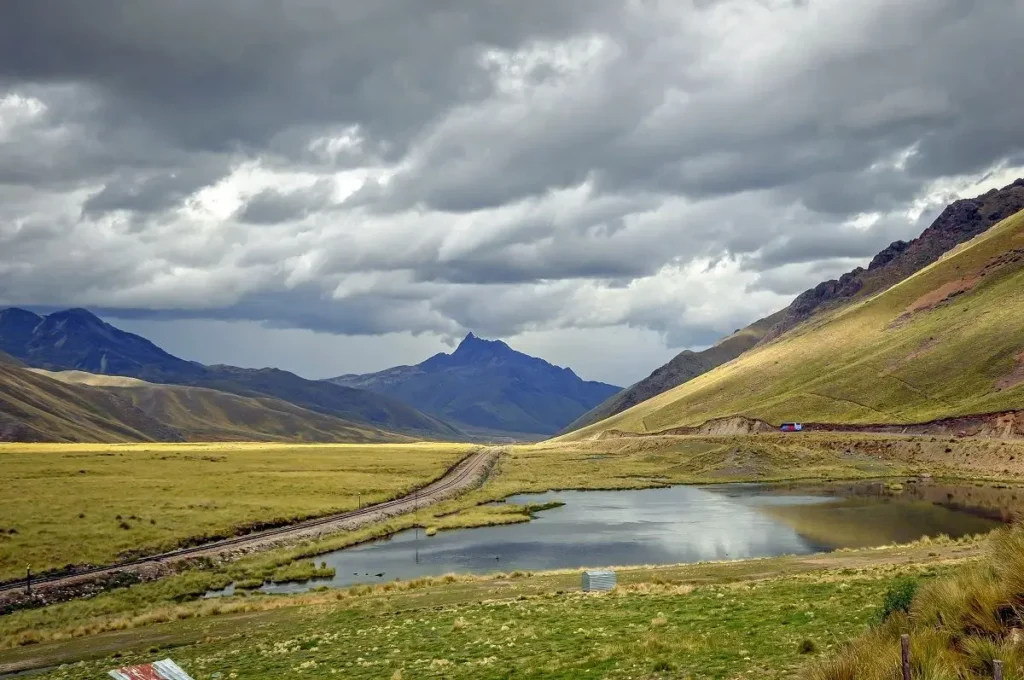
The Tourist Bus from Cusco to Puno: Route of the Sun
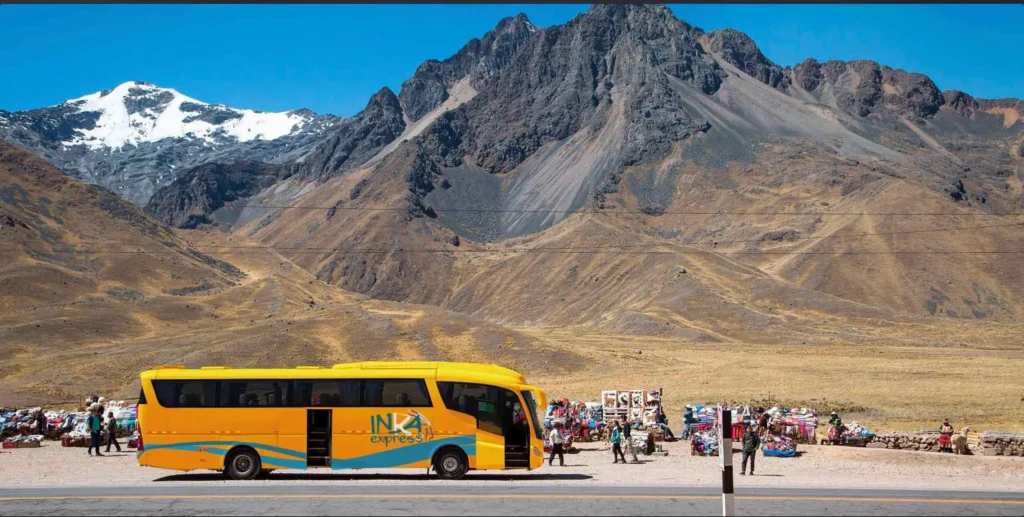
For the perfect balance of comfort and sightseeing, the tourist bus from cusco to puno is the most popular choice. This full-day journey takes about 10 hours and includes guided tours at fascinating stops along the way.
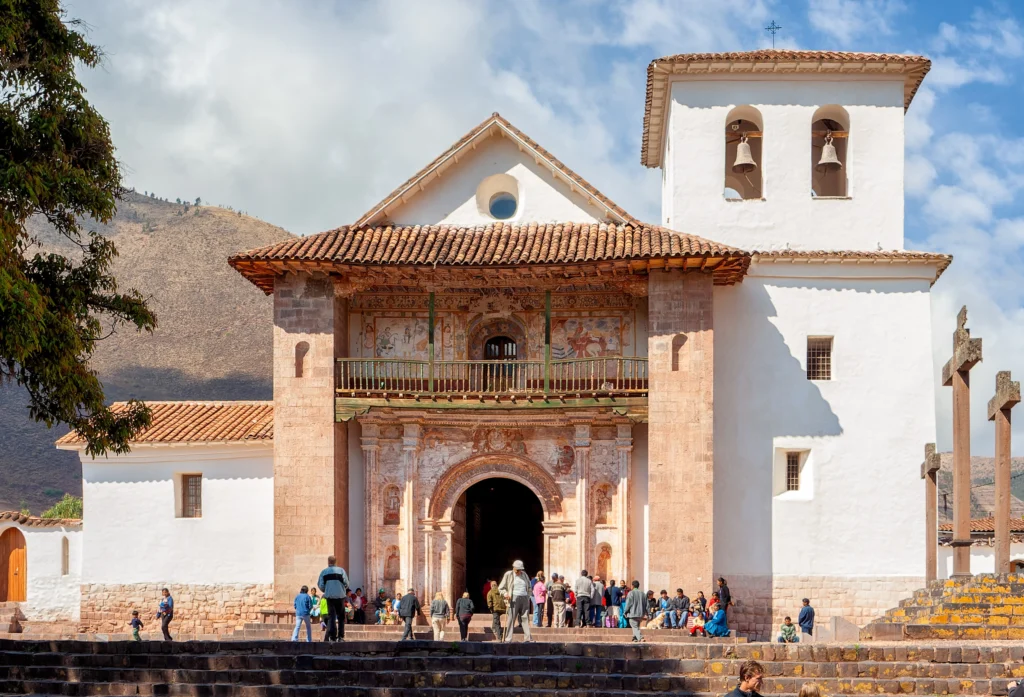
This specific itinerary is famous known as the route of the sun peru (Ruta del Sol). Along this path, you will visit:
- Andahuaylillas: The “Sistine Chapel of the Andes,” featuring stunning colonial frescoes.
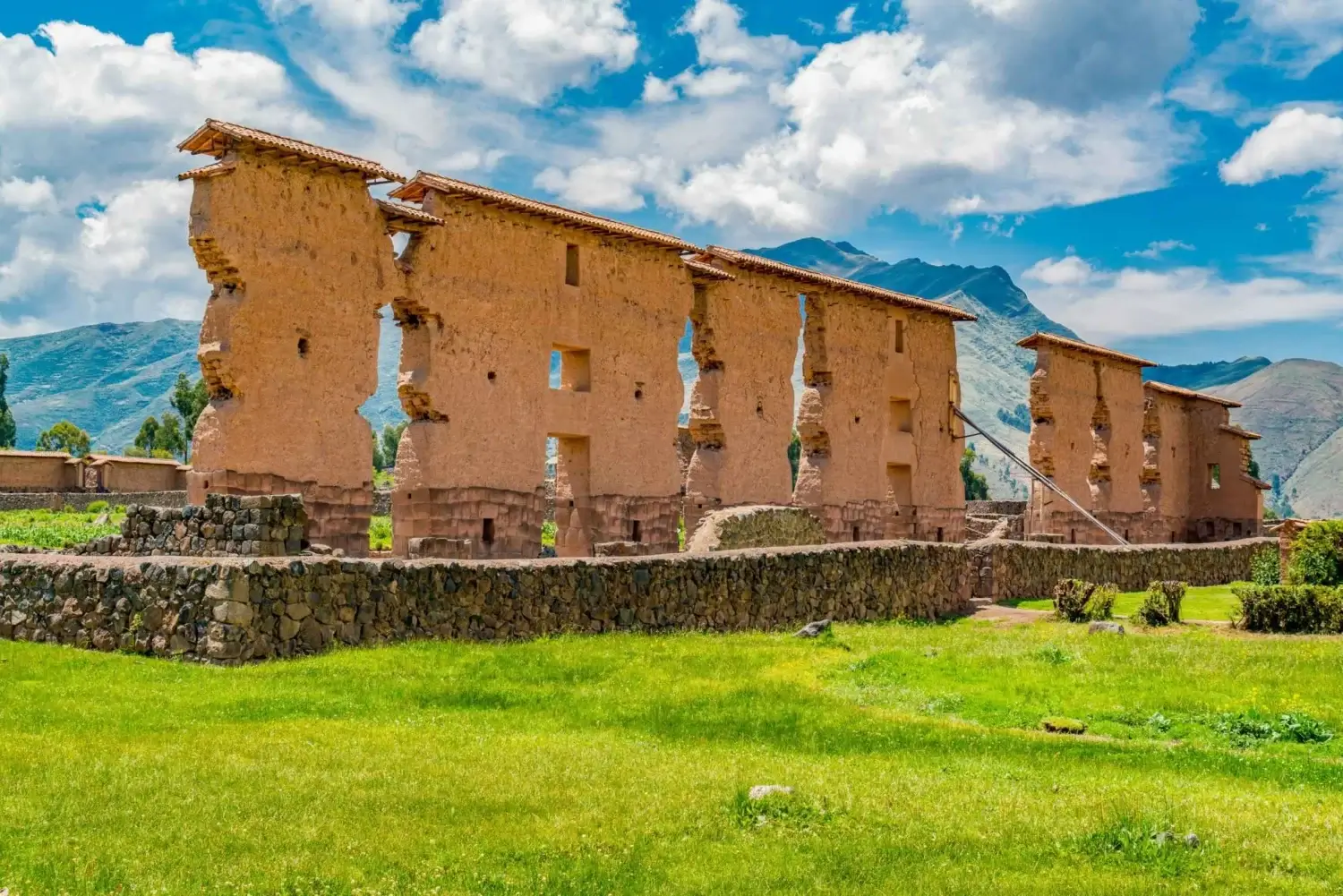
- Raqchi: The massive Temple of Wiracocha, an impressive Inca architectural marvel.
- La Raya Pass: The highest point of the journey, offering spectacular views of snow-capped peaks.
- Pukara: A pre-Inca museum famous for its ceramic “Toritos,” symbols of prosperity.
The Ultimate Luxury: Andean Explorer Train
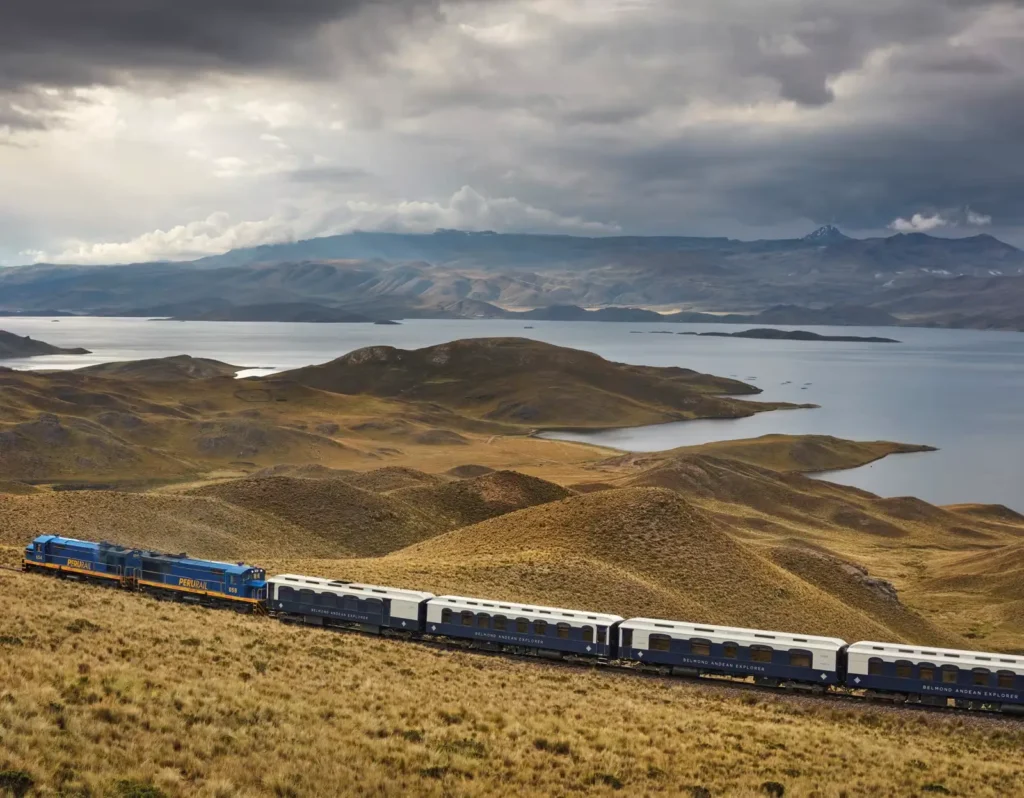
If you prefer to travel in unparalleled elegance, the Belmond andean explorer train is an experience unlike any other. This luxury sleeper train crosses the Andes at a gentle pace, offering gourmet dining, an observation car, and a sophisticated lounge.
It is arguably the most glamorous way to transition between these two iconic regions. You can relax with a Pisco Sour in hand, watching the rugged landscapes of the Altiplano roll by from the comfort of your elegant cabin.
Essential Travel Data for the Route
To ensure a smooth transition between these high-altitude destinations, keep these details in mind:
| Feature | Details |
| Max Altitude | La Raya Pass at 4,335 meters (14,222 feet) |
| Climate | Cold winds and bright sun; temperatures drop quickly in the afternoon |
| Best Season | April to November (Dry season for clear mountain views) |
| Difficulty | Easy (Transportation-based), but altitude can cause fatigue |
| What to Pack | Layers of clothing, sunblock, sunglasses, and cash for souvenirs/tips |
Expert Tips for the Journey
As a premier local agency, we want to share a few insider secrets to perfect your overland journey:
- Hydration is Crucial: The high altitude at La Raya Pass can trigger mild altitude sickness. Drink plenty of water and coca tea before and during the trip.
- Choose the Right Side: If you take the bus or train, request a seat on the right side when heading South. This offers the best unobstructed views of the Vilcanota River and the mountain ranges.
- Luggage Safety: Both the luxury trains and the premium tourist buses have secure luggage holds. However, always keep your valuables, passport, and camera in a small daypack with you at your seat.
- Have Small Soles: Entry tickets to the sites on the Route of the Sun are sometimes not included in the base bus fare. Carry small Peruvian Soles to cover these and local artisan crafts.
Conclusion: Continue Your Andean Adventure
The journey from cusco to puno is much more than just a transfer; it is a stunning cross-section of Inca history, colonial art, and dramatic Andean landscapes. Whether you choose the immersive Route of the Sun bus or the opulent train, this crossing will leave you in awe.
At Peru Luxury Trips, we handle every logistical detail so you can simply sit back and enjoy the majesty of the Andes.
Ready to connect the Inca Capital with the highest navigable lake in the world?